




Travel Logistics
- Getting There: Direct flights from the U.S. to Cuba are available through airlines like American, JetBlue, United, and Delta, typically departing from cities such as Miami or Houston.
- Visa Requirements: Americans cannot travel to Cuba strictly for tourism purposes. However, travel is permitted under 12 categories, with the “Support for the Cuban People” category being the most commonly used. This involves engaging in activities that support Cubans, such as staying in private accommodations and dining at privately owned restaurants.
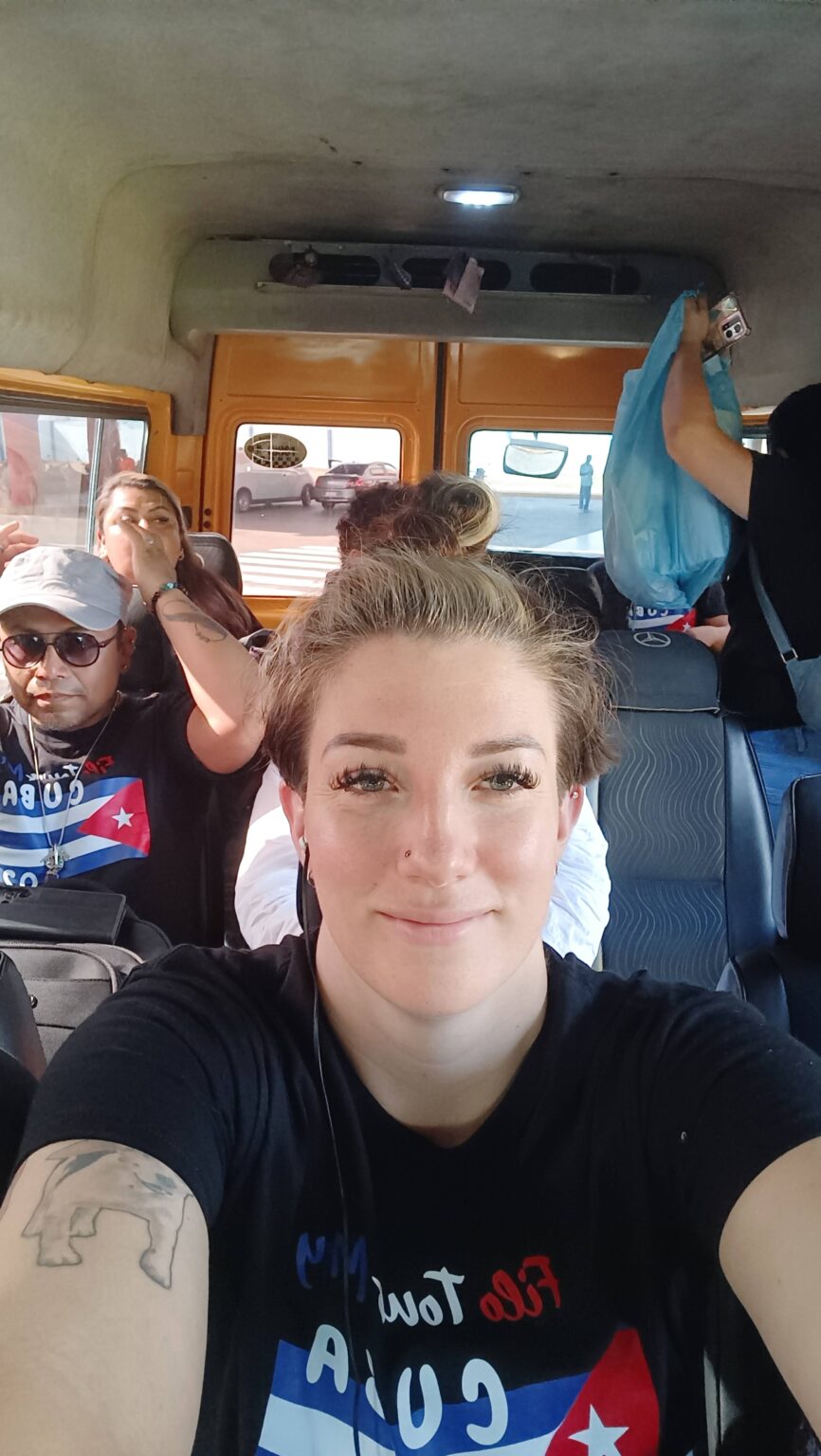
- Transportation Within Cuba: In Havana, taxis are readily available, and rides within the city typically cost between $5 to $15, depending on the distance. For travel to Varadero, private transfers can be arranged, usually taking about 2 to 3 hours.
Cultural Insights
- Tipping: Tipping is appreciated due to limited local salaries. It’s customary to tip service workers, such as waitstaff and hotel attendants, to show appreciation for their services.
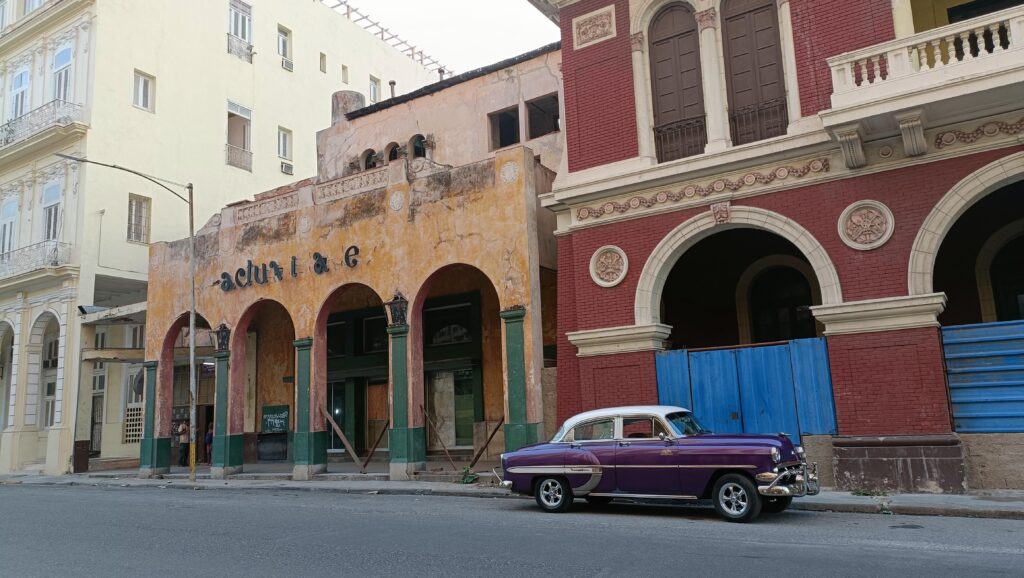
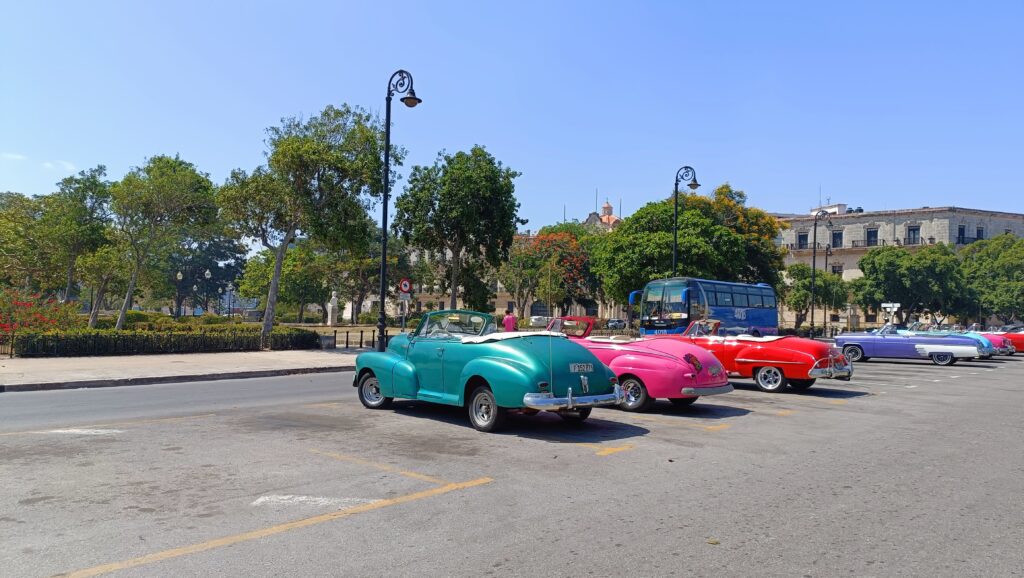
- Classic Cars: Cuba’s streets are filled with vintage American cars from the 1950s, a result of the U.S. embargo that limited car imports for decades. Many of these vehicles have been lovingly maintained and serve as taxis or tourist attractions.
Classic Souvenirs
- Cuban Cigars: Widely regarded as the best in the world, Cuban cigars make for an excellent souvenir. Purchase from official stores to avoid counterfeits.
- Rum: Cuban rum is another top choice, with brands like Havana Club being internationally recognized.
- Handmade Crafts: Markets in Havana and Varadero sell handmade souvenirs, including wooden carvings, paintings, and musical instruments.
- Coffee: Cuban coffee is strong and flavorful, making it a great take-home treat.
Donations for Locals when Traveling to Cuba as an American
Due to economic challenges, many everyday items are hard to find in Cuba. If you’d like to bring donations, consider:
- Medical supplies (aspirin, ibuprofen, bandages, antiseptic creams)
- Toiletries (toothpaste, soap, shampoo, deodorant)
- Clothing (especially for children, as well as shoes and socks)
- School supplies (notebooks, pens, pencils, backpacks)
Handing these directly to locals or donating through churches and community centers ensures they reach those in need.
Internet and Cell Phone Connectivity
Internet access in Cuba is extremely limited. Unlike in most countries, free Wi-Fi is rare, and even hotels often charge for access. Here’s what to expect:
- Wi-Fi Cards: You’ll need to purchase a prepaid Wi-Fi card from ETECSA (Cuba’s state-run telecom company). These cost around $1 per hour and can be used at designated hotspots, usually in parks and hotels. Availability is not guaranteed. Of the 7 days I was in Cuba, I was only able to buy one 3 days (the other 4 days there were none available).
- Slow Speeds: Even in designated areas, internet speeds are often slow and unreliable, making streaming or video calls difficult.
- SIM Cards: Tourists can rent a SIM card with mobile data, but these are expensive and have limited availability. If staying for more than a few days, purchasing a temporary SIM at the airport may be worthwhile.
Final Thoughts
Traveling to Cuba as an American offers a deep dive into history, culture, and adventure. With a mix of vibrant cities, beautiful beaches, and rich traditions, Cuba is a destination worth exploring despite the logistical challenges. By planning ahead and embracing the unique aspects of Cuban life, you can ensure a rewarding and memorable trip.
Need a personalized touch? Let me craft your perfect trip with tailored travel concierge services, made just for you!
Don’t miss my last blog: How to Ensure Reliable, High-Speed Internet When Traveling as a Digital Nomad.
Sign up for my newsletter and get exclusive travel tips and inspiration to spark your next adventure!




0 Comments