


Is it really possible to hike in snow in Mexico? Yes. If you time it right, you can experience snow and ice just a couple of hours from Monterrey by hiking La Marta near Arteaga. It is a long, demanding, high altitude hike that can turn dangerous in winter conditions, but it is absolutely worth it if you are prepared.
A few weekends ago, we set alarms in the middle of the night, layered up in winter gear, and drove into the mountains chasing something that feels almost mythical in northern Mexico. Snow.
If you live in Monterrey, you know how rare that is.
Monterrey
Arteaga
La Marta
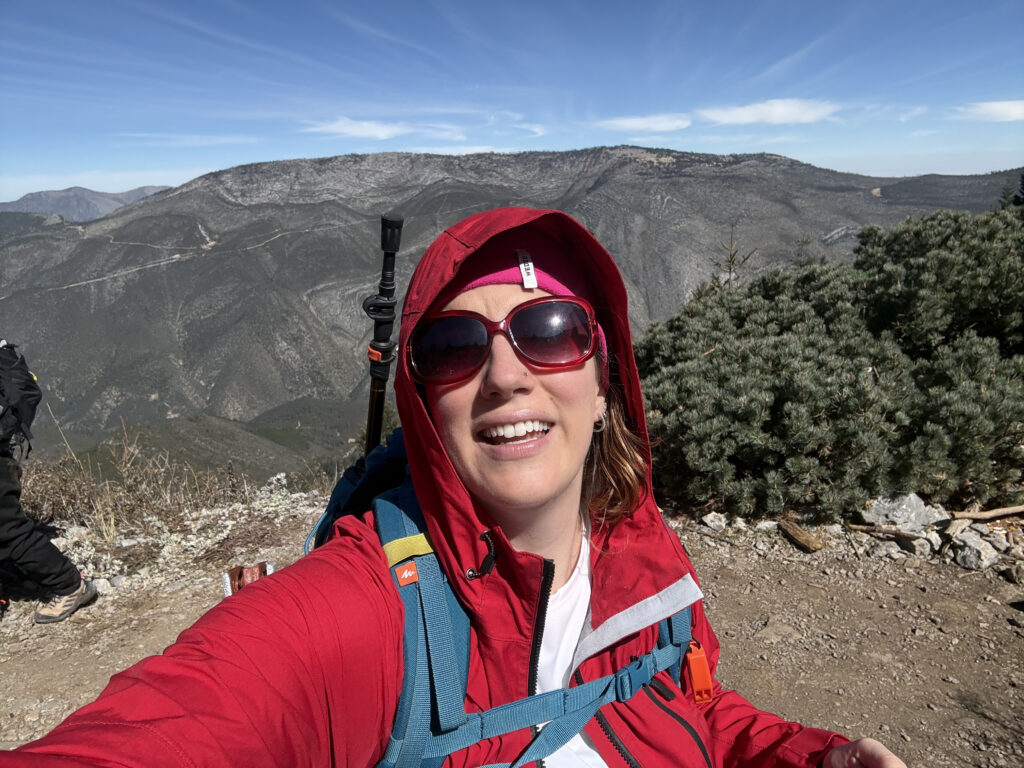
What followed was a 9 hour winter hike through snow, ice, mud, and breathtaking mountain views. We did not summit. We made the safe choice. And it was still one of the most surreal hiking days I have had in Mexico.
If you are wondering whether La Marta is worth it, how difficult it is, whether it is safe in winter, or how to plan it properly, here is everything you need to know.
Planning more adventures like this around Monterrey and Mexico? Subscribe to the newsletter for real hiking guides, hidden spots, and honest tips you won’t find in typical travel blogs.
Where Is La Marta and Why Does It Get Snow?
La Marta is located near Arteaga, Coahuila, about 1.5 to 2 hours from Monterrey depending on traffic and weather.
Arteaga sits at approximately 5,400 feet above sea level. La Marta climbs to roughly 12,200 feet at its highest point. That elevation difference is significant. It is high enough to catch snowfall several times each winter when cold fronts move through northern Mexico.
Locals often call Arteaga the “Switzerland of Mexico” because of its pine forests, mountain cabins, and occasional snow. When snow hits, everyone from Monterrey and surrounding cities rushes to see it. Roads fill up. Cabins book out. Trailheads get crowded.
But snow in Mexico is not the same as snow in Colorado. It is unpredictable. It melts quickly. And when it partially melts and refreezes, it creates slick, dangerous conditions.
That is exactly what we experienced.
Our 2:45 AM Start: What It Takes to Hike La Marta in Winter
This was not a casual Sunday stroll.
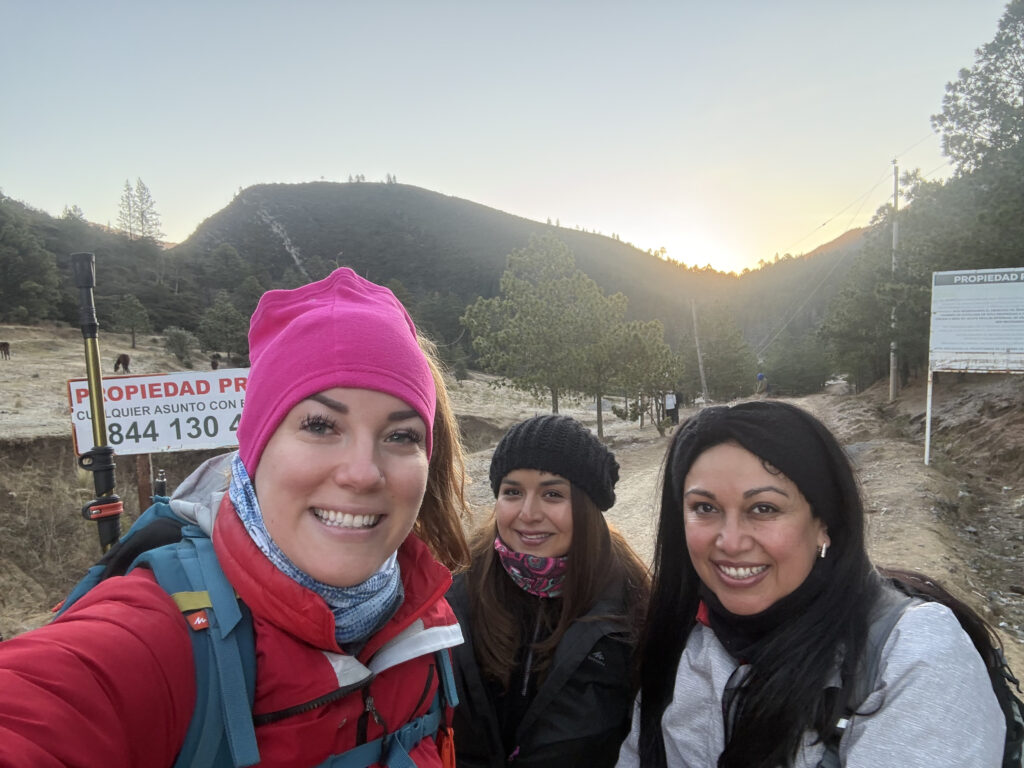
My alarm went off at 2:45 am so I could walk the dogs and get ready. Gaby picked me up at 4:15 am. We grabbed Jackie at 5:00 am and started driving toward the mountains in complete darkness.
We began hiking around 7:15 am.
It was brutally cold.
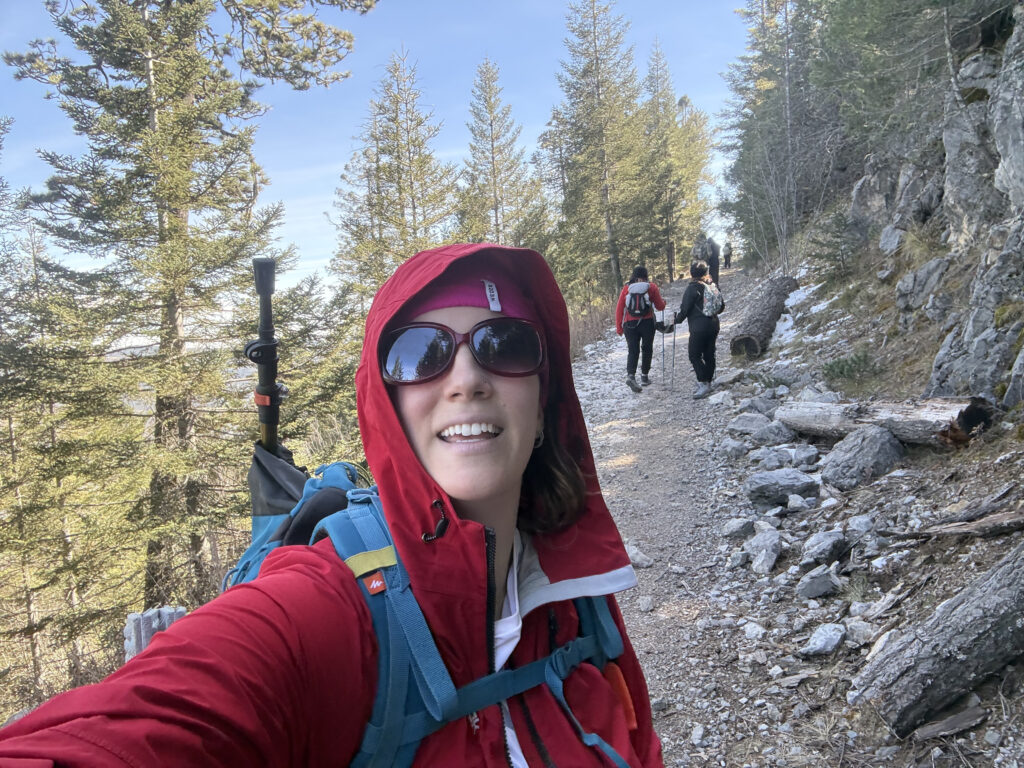
Even with full winter jackets, gloves, hats, and layered base layers, we were freezing during the first stretch. Monterrey rarely gets true winter weather, so most of us are not fully equipped with heavy snow gear. You feel that quickly at altitude.
If you plan to hike La Marta in snow, here is what I recommend:
Essential Winter Gear for La Marta
- Waterproof hiking boots with solid traction
- Wool socks
- Thermal base layer top and bottom
- Insulated mid layer
- Windproof outer jacket
- Gloves and beanie
- Sunglasses
- Trekking poles
- Microspikes if there is confirmed ice
Do not underestimate how quickly conditions change above 10,000 feet.
Want a custom plan for hikes like this without the guesswork? Our concierge travel service helps you plan routes, timing, and logistics based on real conditions. Ideal if you’re short on time or new to hiking in Mexico.
How Difficult Is La Marta?
Short answer: It is not easy.
La Marta is a long, high elevation hike that demands endurance and mental stamina.
Key Stats
- Elevation gain: significant, over 4,000 feet depending on route
- Summit elevation: about 12,200 feet
- Total hiking time: 8 to 12 hours depending on pace and conditions
- Terrain: dirt trail, loose rock, forest paths, exposed sections
We hiked for about 9 hours total. Up and down.
We did not summit.
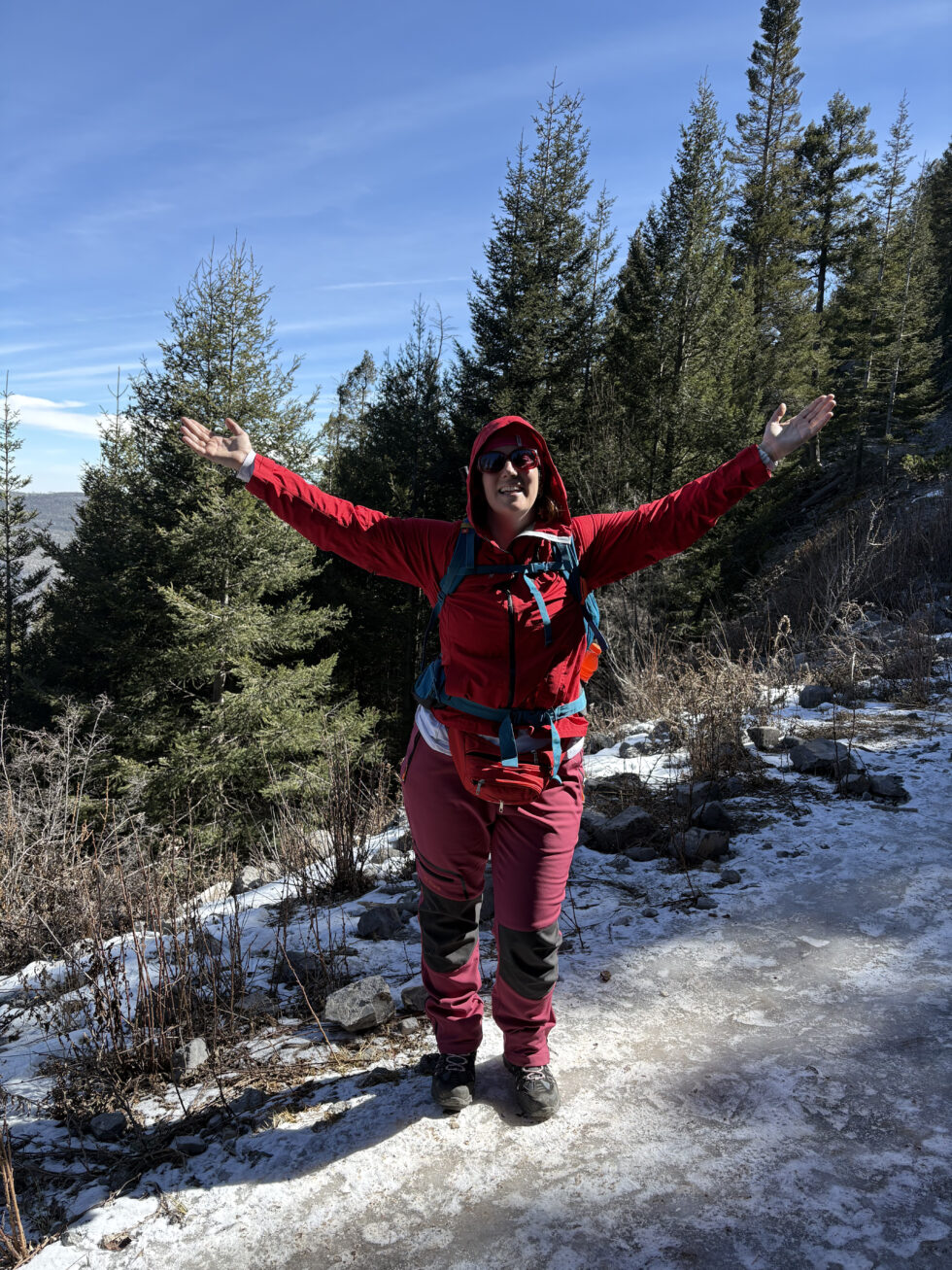
The final stretch was a mix of ice and mud. It was slick and unstable. One wrong step could have meant a serious fall. At that point, we were already tired. Pushing for the summit would have easily turned it into a 12 or 13 hour day.
And here is something important for hikers to hear:
Turning around is not failure.
It is good judgment.
Is La Marta Worth It If You Do Not Summit?
Absolutely.
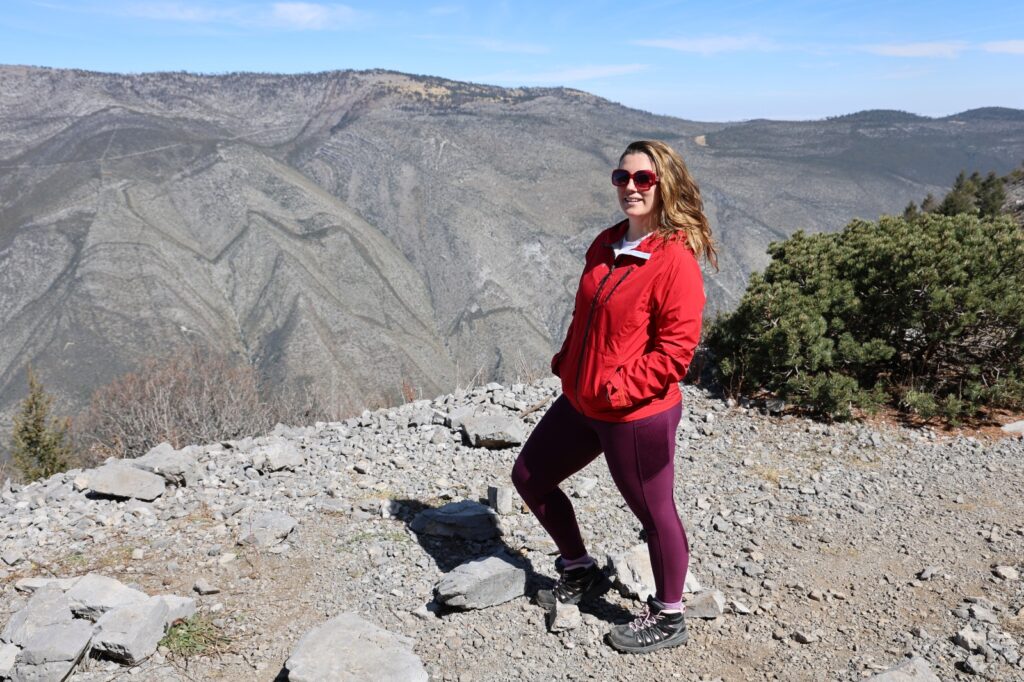
Hiking through actual snow in Mexico felt surreal. There were stretches where the forest was quiet, white, and completely still. It did not feel like northern Mexico. It felt like we had teleported somewhere else.
For Gaby, it was her first time ever seeing snow. That made the day even more special.
Crunching through icy patches, we moved across muddy sections and paused to take in wide open mountain views that stretched endlessly.
The summit is not the only reward.
The experience is.
Is La Marta Safe in Winter?
This is one of the most common questions: Is La Marta safe when there is snow?
The honest answer: It depends on conditions and your preparation.
Risks in Winter
- Ice covered trails
- Mud over frozen ground
- Slippery descents
- Fatigue at high altitude
- Rapid weather shifts
We chose not to summit because the final stretch looked dangerous. That was the right decision for our experience level and the conditions that day.
If you go:
- Start early
- Go with experienced hikers
- Check weather forecasts
- Bring proper traction
- Know your limits
La Marta is not the place to test your ego.
How Many Days Do You Need for La Marta?
You only need one day for the hike itself.
However, because it is such a long and demanding day, many people choose to stay overnight in Arteaga. There are cabins and small mountain lodges in the area.
If you are coming from Monterrey and doing it in one day like we did:
- Plan for a very early start
- Expect to be gone 12 to 16 hours total including driving
- Clear your schedule the next day if possible
We got home around 8:30 pm completely exhausted.
If you’re looking for something shorter or more relaxed, check out this guide to Grutas de García. It’s a completely different kind of experience, with caves, cable cars, and an easy half-day plan from Monterrey.
Cost of Hiking La Marta
La Marta is relatively affordable compared to international mountain destinations.
Here are typical costs:
- Gas from Monterrey: depends on your vehicle, but generally moderate
- Park or access fees: small fee if applicable depending on entry point
- Food and snacks: bring your own
- Post hike meal in Arteaga or Monterrey: optional
The biggest cost is not financial. It is physical.
What the Descent Feels Like
People always focus on the climb.
But the descent after 6 or 7 hours of hiking is what really tests you.
By the time we started heading down, our legs were already tired. Snow had started melting in some sections, turning the trail into slick mud. You have to move slowly and deliberately.
This is where trekking poles make a huge difference.
The descent is also when you reflect. The adrenaline wears off. You start thinking about how early you woke up. How cold it was. How quiet the mountains felt.
And how good the post hike meal is going to taste.
The Post Hike Reward
After 9 hours in freezing conditions, giant burgers absolutely hit the spot.
There is something about mountain hunger that makes simple food feel incredible.
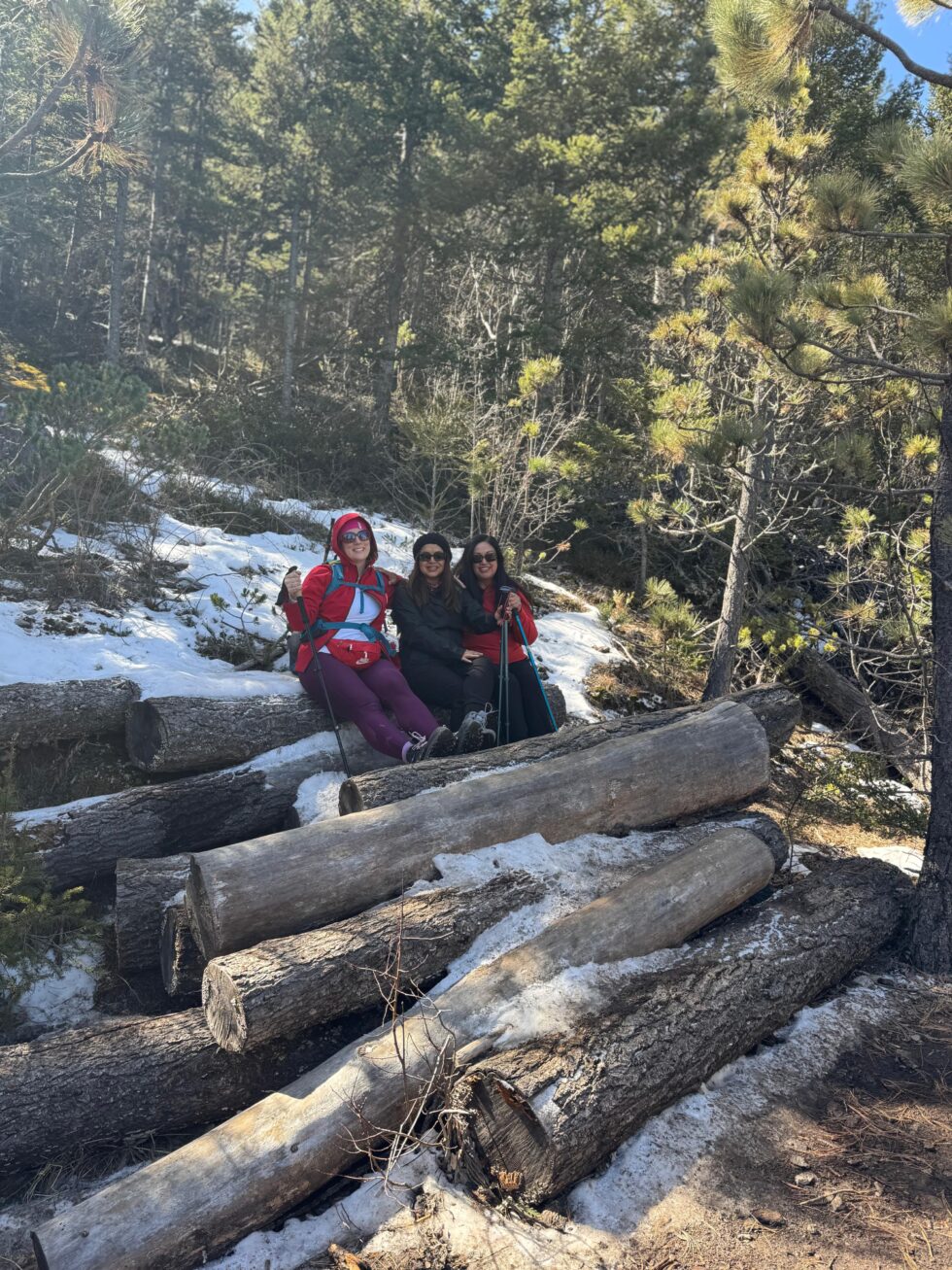
We drove back toward Monterrey tired but satisfied. Back home around 8:30 pm. Jackie made homemade arroz con leche, which felt like the perfect cozy ending to a very long and very cold day.
Early mornings. Icy trails. Tired legs. Good friends.
That combination is hard to beat.
Who Should Hike La Marta?
La Marta is ideal for:
- Experienced hikers
- Trail runners building endurance
- People training for higher altitude mountains
- Adventure seekers in northern Mexico
It is not ideal for:
- Beginners without conditioning
- People uncomfortable with long days
- Anyone underprepared for cold weather
Be honest about your fitness level. At over 12,000 feet, altitude is real. Even if you are strong in Monterrey, you may feel the difference up there.
When Is the Best Time to Hike La Marta?
La Marta can be hiked year round, but each season is different.
Winter
Cold. Possible snow. Icy sections. Fewer insects. Stunning if conditions are right.
Spring
Cool mornings. Green landscapes. Popular with hikers.
Summer
Hot at lower elevations. Storm risk in afternoons.
Fall
Cooler temperatures. Clear views.
If you specifically want snow, monitor cold fronts carefully and be ready to go on short notice.
What I Learned from Not Summiting
There is a quiet confidence that comes from choosing safety over pride.
We could have pushed. We could have tried to scramble up the icy final stretch.
Instead, we listened to our bodies and the conditions.
The mountain will still be there.
Adventure is not about checking boxes. It is about building a life where early alarms, icy trails, and long drives with friends feel meaningful.
FAQ: Hiking La Marta Near Arteaga
Is La Marta worth it?
Yes. The elevation, forest landscapes, and potential snow make it one of the most unique hikes near Monterrey. It is challenging but rewarding.
Is La Marta safe in winter?
It can be safe with proper gear and experience. Ice and mud increase risk. Start early, check conditions, and turn around if necessary.
How long does it take to hike La Marta?
Most hikers spend 8 to 12 hours round trip depending on pace and whether they summit.
How many days do you need in Arteaga?
One day is enough for the hike, but staying overnight can make logistics easier and less exhausting.
Do you need special gear for snow?
Waterproof boots, warm layers, gloves, and traction like microspikes are strongly recommended if ice is present.
If this kind of adventure is what you’re looking for, subscribe to the newsletter. You’ll get practical guides, new destinations, and real insights from hiking in Mexico.




0 Comments