

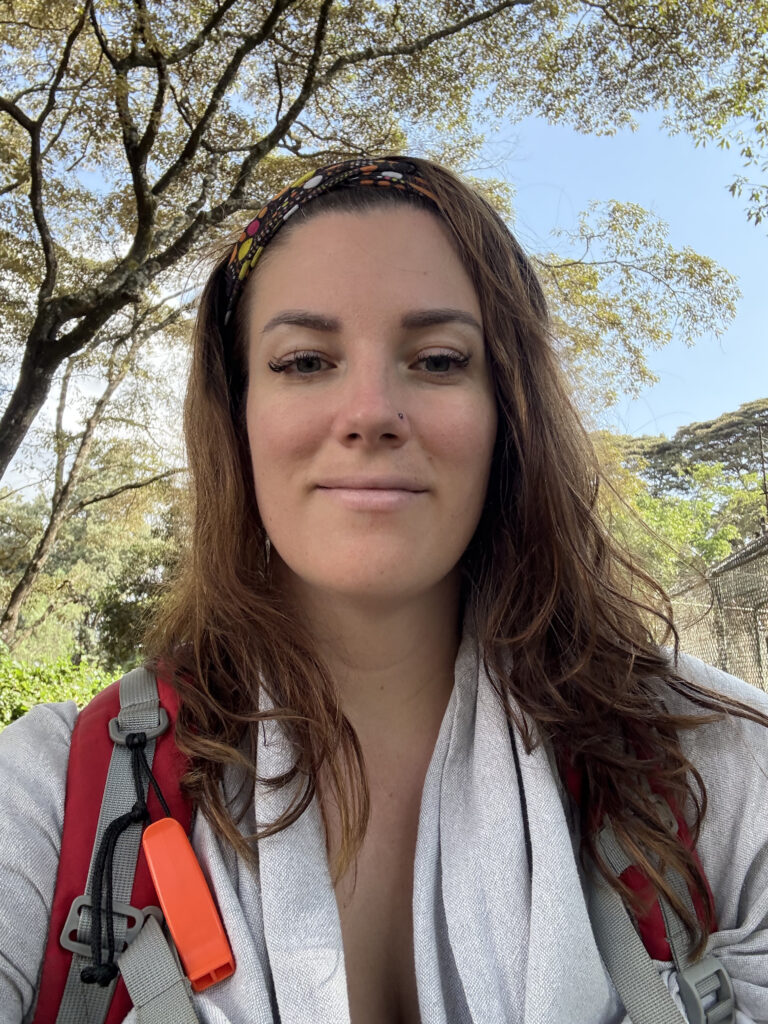
If you are a beginner or aspiring digital nomad in the United States who reads travel blogs and wonders if you could ever do something like this, this post about 2 weeks in Nairobi Kenya solo female digital nomad life is for you.
Not long ago, I was watching a lion stretch in the grass inside Nairobi National Park with the skyline of Nairobi behind it. The next morning, I was logging into work on United States time.
This was the final stop of a four month solo trip through India, Nepal, Egypt, Zambia, and Kenya. I worked full time remotely the entire time.
Here is exactly what my last two weeks in Nairobi looked like, what I recommend, what surprised me, and what I would do differently.
Why Nairobi Is a Strong Choice for Beginner Digital Nomads
Before we talk about safaris and giraffes, let’s talk logistics. If you are dreaming about working remotely abroad, this is the part that matters.
Why Nairobi Works for Remote Workers
- English is widely spoken
- Many neighborhoods have reliable WiFi
- Uber and Bolt are easily available
- Housing is affordable compared to major United States cities
- Wildlife, culture, and nature are accessible without long travel days
- There is an existing expat and remote worker presence
I stayed near Nairobi National Park in a quiet residential area. My host made sure the apartment was stocked with fruit, bread, water, and tea. The WiFi handled video calls and full time remote work without issues.
For a first time experience in Sub Saharan Africa, Nairobi feels approachable without feeling overly touristy.
Safari in a Capital City
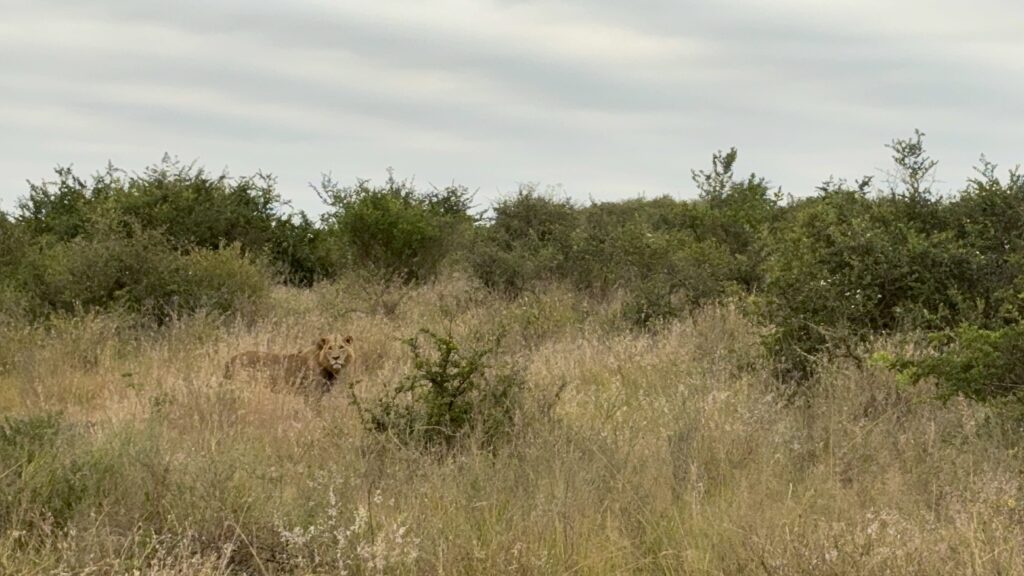
Wildlife at Nairobi National Park
Nairobi National Park is the only national park in the world located inside a capital city.
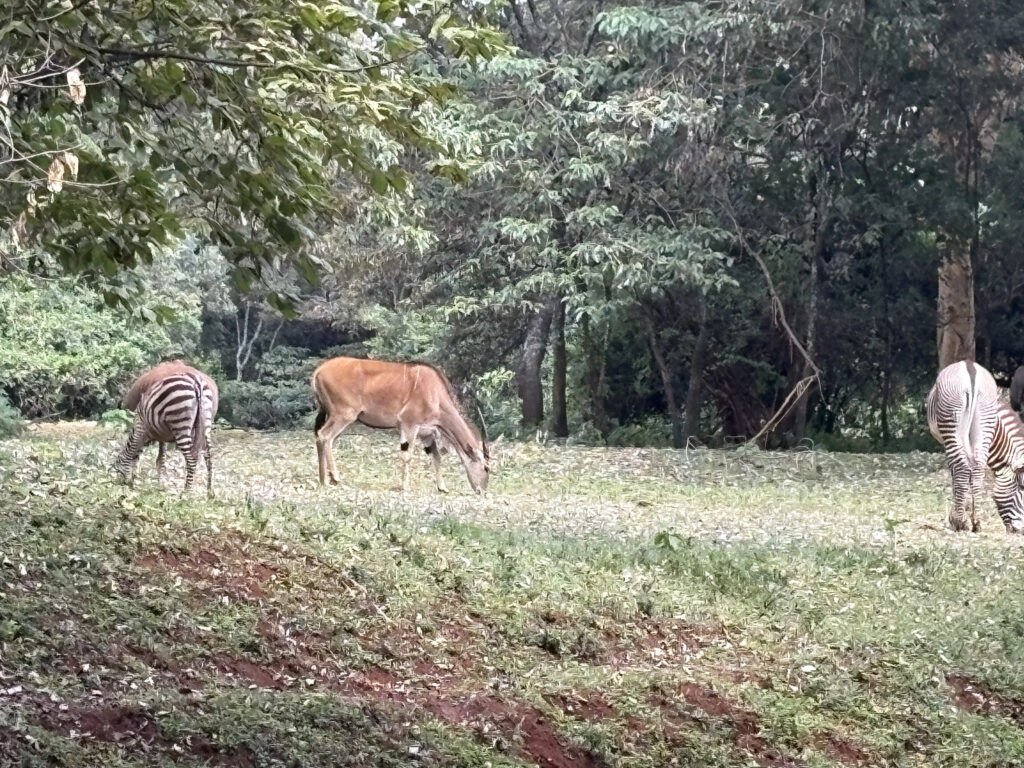
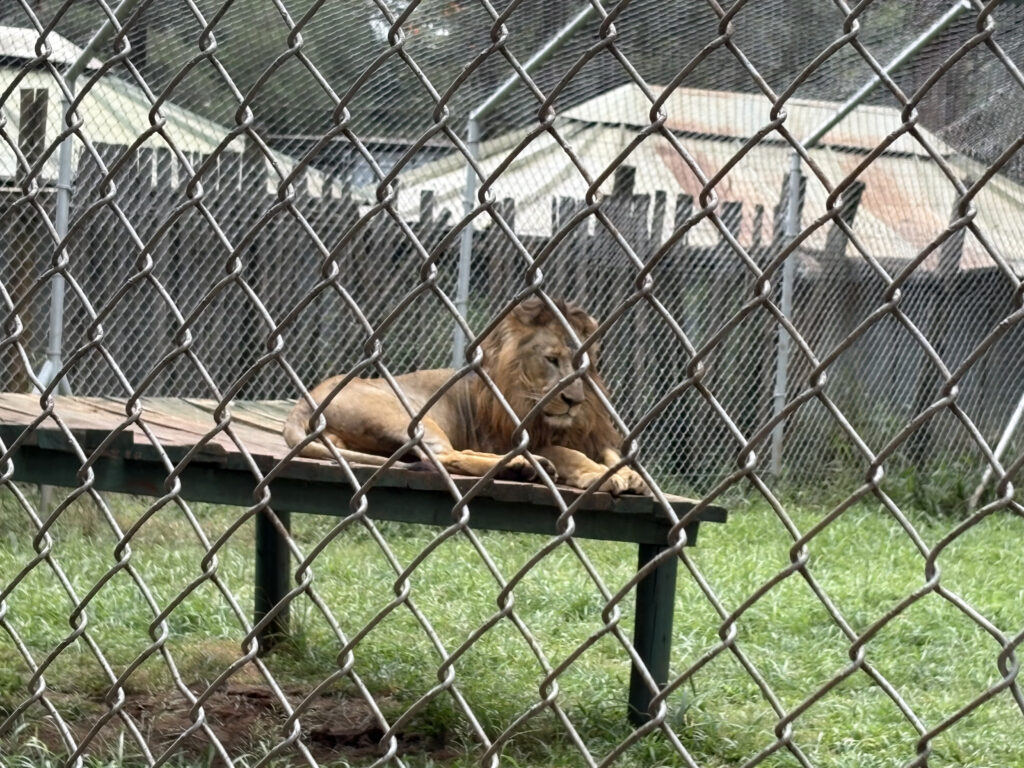
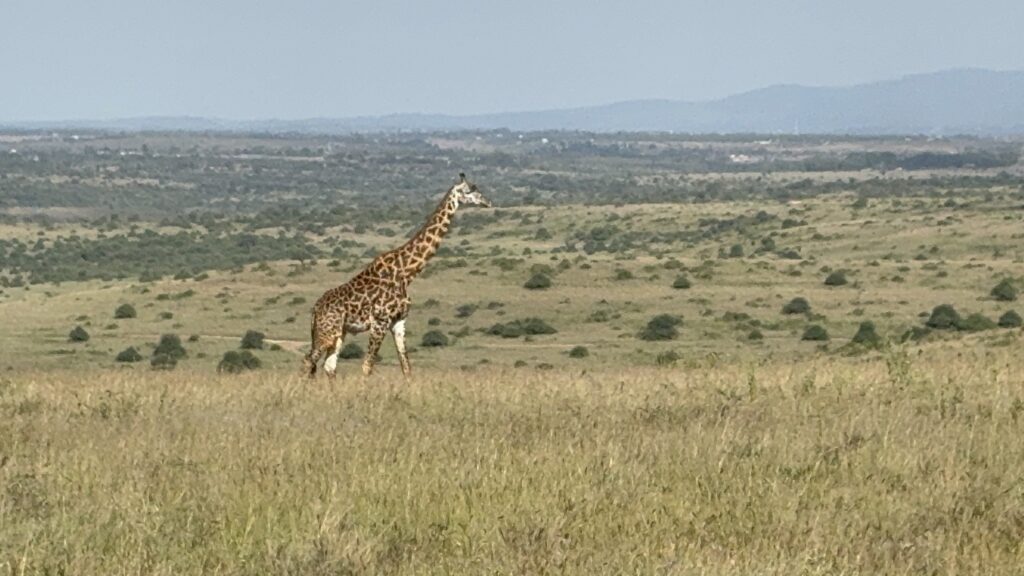
Within four hours of bush driving, we saw:
- Lions resting in tall grass
- Herds of zebras grazing
- White rhinos, which are critically endangered
- Giraffes moving slowly through trees
- Baboons and a lone hyena
- A crocodile near the water
- Numerous birds
The Nairobi skyline rises in the background, which makes the experience surreal.
If you are wondering whether Nairobi National Park is worth it, the answer is yes. If you do not have time for the Maasai Mara, this park offers an efficient and accessible safari experience.
My day started at 4:30am with a 6:00am pickup. We were back mid afternoon. It was safe, organized, and easy to do as a solo female traveler.

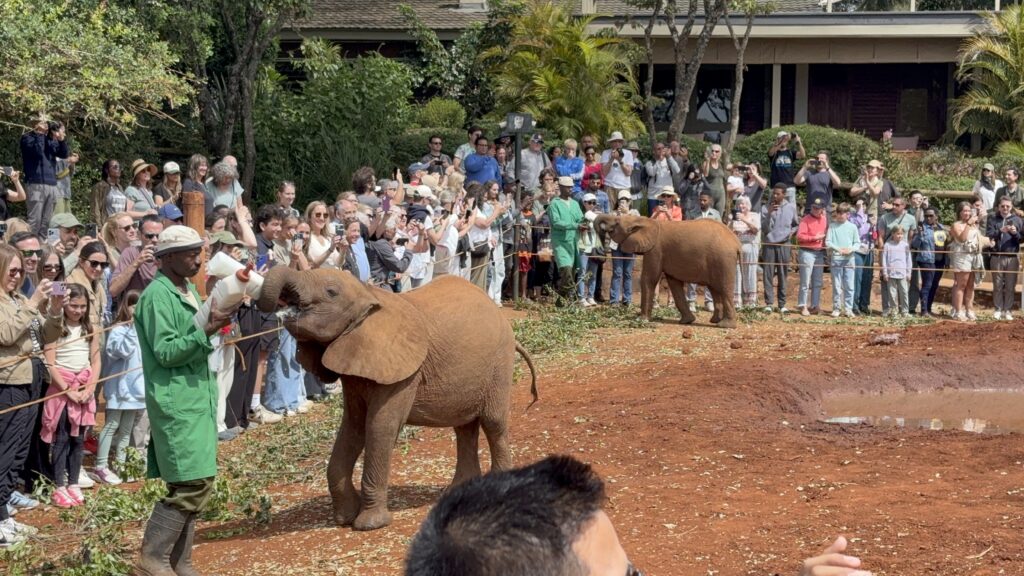
Elephant Rescue at David Sheldrick Wildlife Trust
After safari, we visited David Sheldrick Wildlife Trust.
This organization rescues orphaned elephants, many of whom lost their mothers to poaching or human wildlife conflict.
We met 13 baby elephants. Each has a dedicated keeper. They are fed specialized milk formulas every three hours and slowly reintroduced into protected wild areas.
This experience felt both joyful and sobering. If you are prioritizing ethical wildlife experiences in Nairobi, this should be high on your list.
Feeding Giraffes at the Giraffe Centre
At the Giraffe Centre, you can hand feed endangered Rothschild giraffes.
Their tongues can grow up to 18 inches long and function almost like flexible grabbing tools. Yes, they will wrap their tongues around your fingers to take the pellets.
It is a fun, educational stop and easy to pair with other Nairobi highlights.
Safari Walk Versus Nairobi Animal Orphanage
If you are short on time, here is a practical comparison.
Nairobi Safari Walk
Nairobi Safari Walk offers:
- Elevated boardwalks
- Spacious enclosures
- A peaceful atmosphere
- About one hour of walking
The animals appeared calm and well cared for. It felt natural and not rushed. I recommend this option if you must choose one.
Nairobi Animal Orphanage
Nairobi Animal Orphanage was more complex.
Positives:
- Feeding time at 2:30pm was informative
- Close up animal views
- Educational signage
Concerns:
- Some enclosures felt small
- A few animals appeared stressed or bored
The staff were attentive and the animals were well fed, but I personally preferred the more spacious environment of the Safari Walk.
If ethics and animal welfare are important to you, it is worth researching and asking questions before visiting.
A Hidden Gem: Nairobi Railway Museum
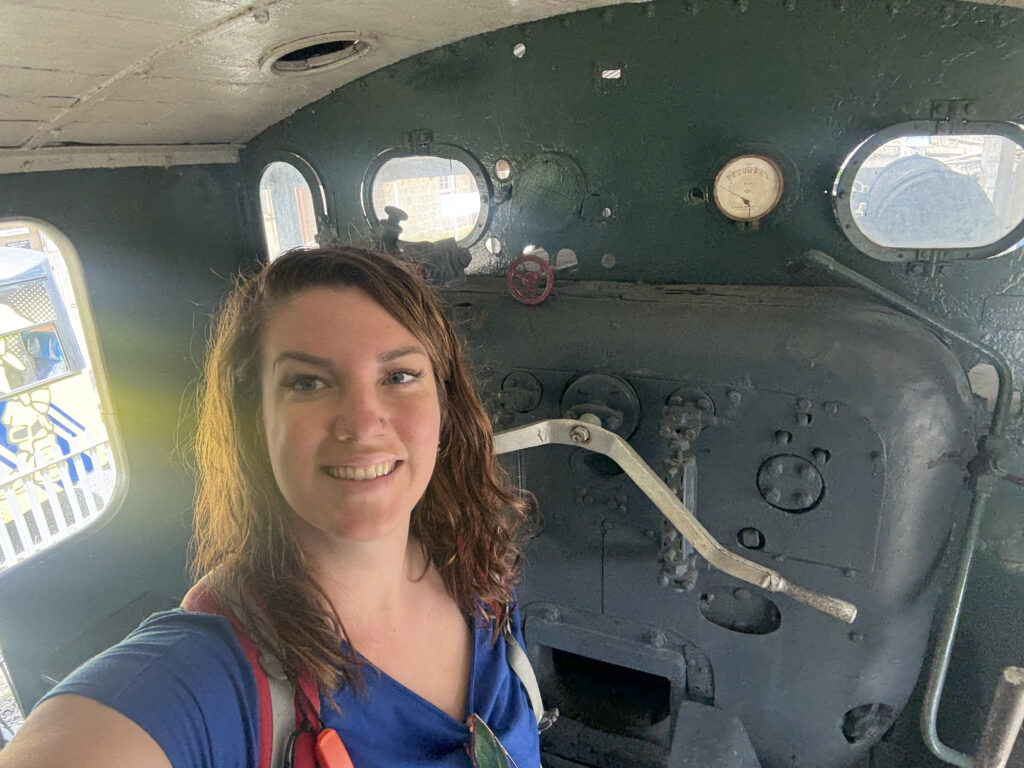
The Nairobi Railway Museum is a quieter stop that many travelers skip.
You can explore historic train cars, climb inside engines, and learn how Kenya’s railway system shaped Nairobi’s development.
About one hour is enough time. It is not crowded, which makes it a peaceful indoor break from the sun.
If you are interested in history or infrastructure, this museum provides context for how Nairobi became the city it is today.

Forest Escapes Inside the City
Karura Forest
Karura Forest is one of the largest urban forests in the world.
On my final hike, I walked 11 kilometers alone during daylight hours. I saw very few people until reaching the waterfall.
Highlights included:
- Mau Mau caves used during Kenya’s independence struggle
- Butterfly Pond
- Marshland with water lilies and ducks
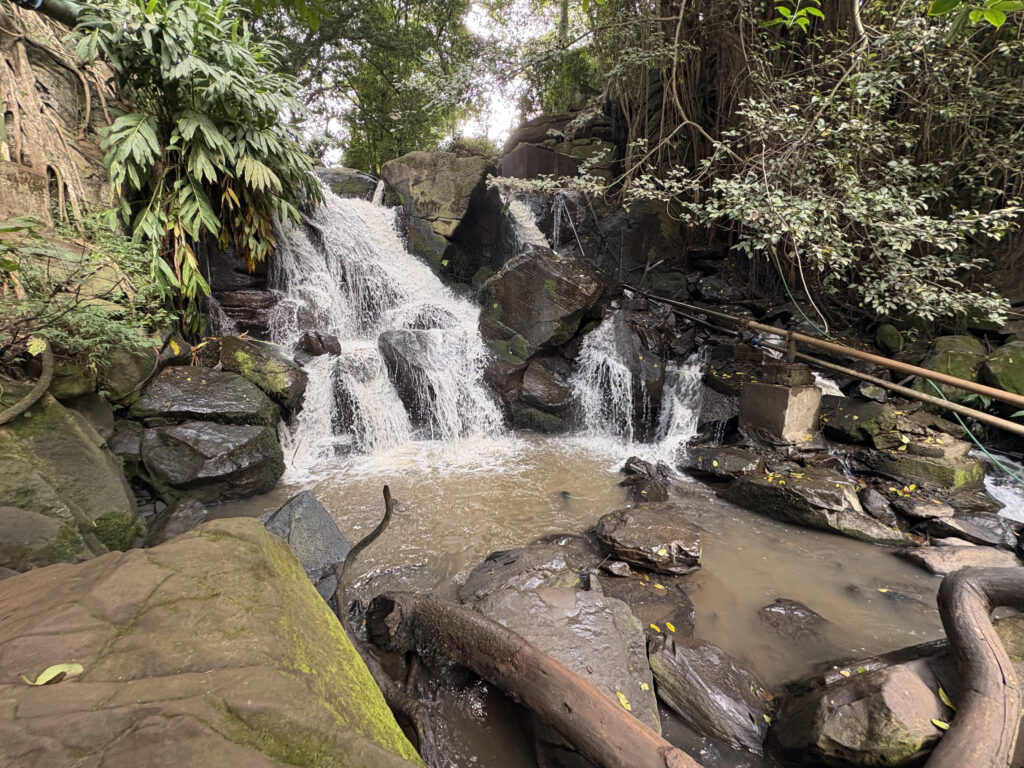
- A small waterfall
- Hundreds of plant and bird species
Karura was once threatened by development and was protected in part thanks to environmental activist Wangari Maathai.
If you are asking whether Karura Forest is safe for solo female travelers, my experience was yes during daylight hours. It is maintained, organized, and popular with locals.
Oloolua Nature Trail
Oloolua Nature Trail is even quieter.
This trail includes:
- Bamboo groves
- A small waterfall
- Papyrus swamp
- Historic caves
I saw one ranger and a few monkeys for most of the hike. If you are looking for solitude and fresh air without leaving Nairobi, this is an excellent option.
Is Nairobi Safe for Solo Female Travelers?
This is one of the most searched questions online.
Here is what worked for me:
- Used Uber and Bolt
- Took motorcycle taxis during the day
- Avoided walking alone at night
- Chose a safe residential neighborhood
- Asked locals for advice
I felt aware but not fearful. Situational awareness is essential in any large city, including those in the United States.
Can You Work Full Time Remotely from Nairobi?
Yes.
I worked United States business hours with reliable WiFi the entire time. Wildlife activities fit into my weekends, and after work I usually headed out for a hike.
You do not have to quit your job to start exploring the world. Many people can test remote travel in shorter segments before committing long term.
If you are in the early stages of building a digital nomad life, Nairobi is a city that allows you to combine adventure with practicality.
Final Thoughts on My Last Two Weeks in Nairobi
My final days in Africa included:
- A last safari inside Nairobi National Park
- Feeding giraffes
- Meeting rescued baby elephants
- Hiking through urban forests
- Learning railway history
- Supporting a local bead cooperative
- Enjoying simple comforts like tea and fresh fruit at my apartment
Nairobi gave me wildlife, culture, nature, comfort, and reflection all in one place.
If you are reading this from an apartment in the United States and thinking that travel like this is reserved for other people, it is not.
With remote work, careful planning, and incremental steps, experiences like this can move from fantasy to reality.
Frequently Asked Questions About Nairobi for Digital Nomads
Is Nairobi good for digital nomads?
Yes. It offers affordable housing, English language accessibility, wildlife, and solid internet in many neighborhoods.
How many days do you need in Nairobi?
Three to five days for highlights. One to two weeks if working remotely and exploring more deeply.
Is Nairobi expensive?
It is more affordable than most major United States cities but costs vary by neighborhood and lifestyle.
Can you see wildlife without leaving Nairobi?
Yes. Nairobi National Park is located inside the city limits.
If you are serious about building a location independent life, Nairobi is proof that you can combine full time work with meaningful travel experiences.
Get Real Travel Stories
Join my free newsletter for honest travel experiences, practical digital nomad tips, and in-depth guides to remarkable places like Zambia.
My concierge service handles the complex parts, from custom itineraries to vetted local experiences, so you can focus on what actually matters: enjoying the trip.
Thinking about your next meaningful adventure? Let’s plan it.



0 Comments